
A radio transcription wasn't recorded with the idea that someone, forty years later, would go looking for it in a record shop. It was recorded to be heard once, maybe twice, and vanish into the air. The same goes for an aircheck: a home copy of a live broadcast, made by a listener on their own equipment or by the station itself for internal archive. Neither format was meant for commercial release. And yet a good part of what sells today as "great forties orchestra on vinyl" comes from exactly that.
The Paperwork Before the Vinyl
There's a difference you can't see on the sleeve at first glance but that changes everything: whether someone, at some point, sat down and negotiated the rights to that recording with the artist or their heirs. The most cited case is the American label Hindsight, founded by Wally Heider, a recording engineer and self-confessed big-band enthusiast, who built his entire catalog from 1940s radio transcriptions that had never been released commercially. Heider didn't just dust off tapes: he closed formal agreements with the musicians or their heirs before pressing a single record. That's how his flagship series was born, "The Uncollected," dedicated orchestra by orchestra to rescuing that material.
The contrast with the other end of the market becomes obvious the moment you compare one sleeve with the other. For years, swing-era reissues circulated —and still circulate in the second-hand market— with no license whatsoever: recordings copied from collector to collector, with no restoration credit, no documented broadcast date, sometimes without even a recognizable label on the sleeve. They sound like what they are: copies of copies.
What to Look for Before Paying for a Transcription
The provenance of an aircheck reissue can almost always be read in the same three places. First, whether the sleeve or the inner notes credit the source of the tape: it's not the same thing to say "Mac Gregor transcription preserved in the station's archives" as a generic "radio recording, origin unknown." Second, whether there's a name behind the restoration — an engineer, a producer, a remastering date — or whether the record appeared out of nowhere with no one's signature on it. Third, whether the catalog documents the exact broadcast date and, where possible, the lineup playing that day.
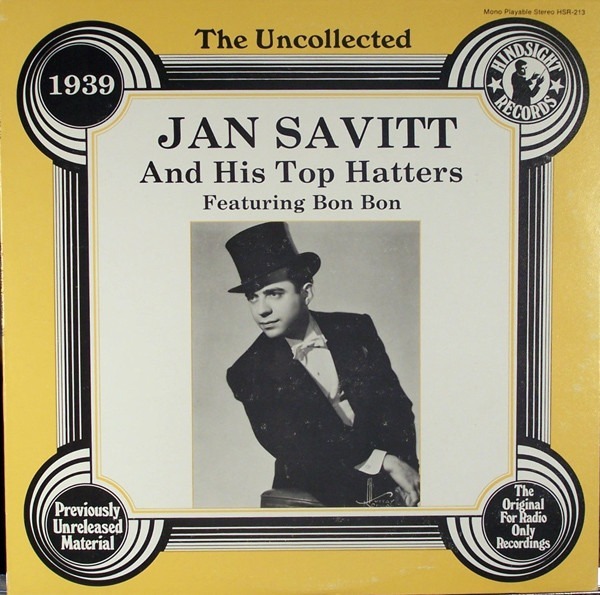
A good example of a reissue with all three boxes checked is The Uncollected Jan Savitt, 1939, which collects the Top Hatters' broadcasts from when Savitt — a violinist trained at the Curtis Institute, who had turned down the concertmaster's chair at Stokowski's Philadelphia Symphony to go into popular radio — was already broadcasting daily from Philadelphia's KYW with the "shuffle rhythm" he invented himself: a double-time piano feel that became his signature and that no commercial recording studio captured as often as radio did.
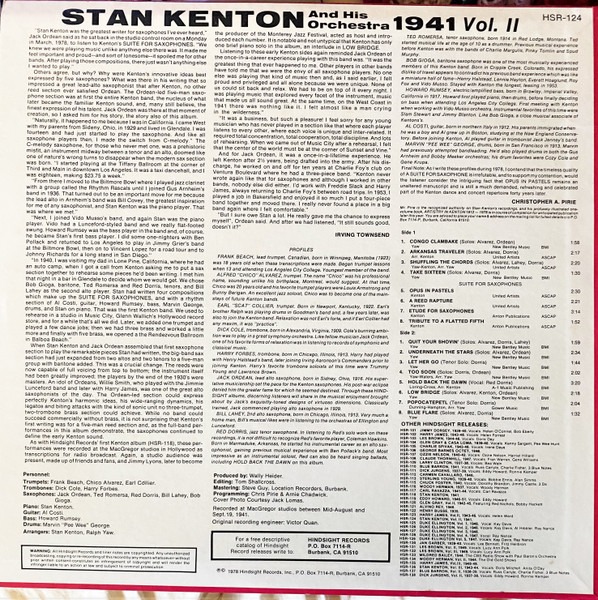
Another case, of different but equally traceable provenance, is The Uncollected Stan Kenton, Vol. 2, 1941: the Mac Gregor transcriptions recorded during Kenton's residency at the Rendezvous Ballroom in Balboa, months before his orchestra even had a fixed name and when there wasn't yet a single marquee soloist in the lineup. That documented origin — transcription label, venue, season — is exactly what's missing from most unlicensed airchecks in circulation.
It's Not Just a Matter of Ethics
It matters to the ear, too. A transcription with a clear chain of custody usually comes from the master tape or a well-preserved acetate; a pirated aircheck, on the other hand, is usually the umpteenth copy of a copy, with background noise piling up at every generation. The difference is audible before you read a single line on the sleeve. And in the long run, it also shows in what the record is worth: what has paperwork can be verified, cataloged, and defended against anyone who doubts it. What doesn't, can only be taken on faith.
If this stretch of live swing history interests you, here are both transcriptions, their provenance already verified.